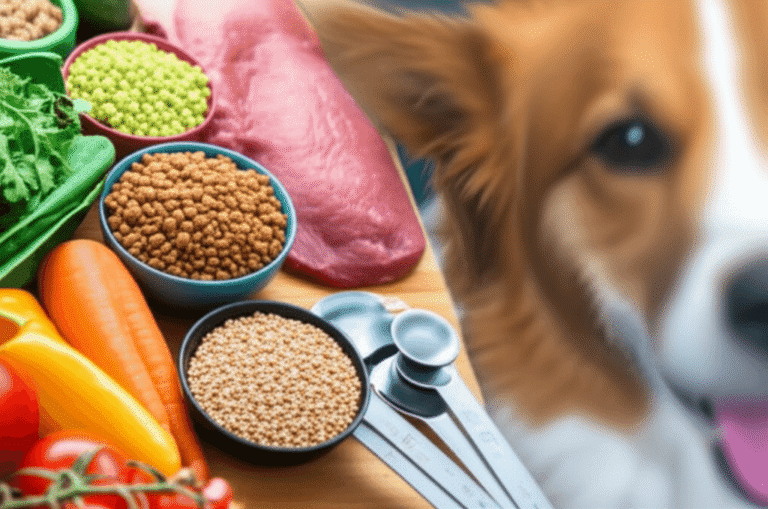
Keeping dogs active throughout the year improves their health and behavior big time. A regular routine keeps their joints tough, hearts strong, and spirits high, so dogs stay curious, playful, and confident no matter the weather. Mixing exercise with good food and vet check-ups brings more energy, deep sleep, and fewer unexpected vet visits. Dog lovers looking for a happy, healthy pet will see how well this works, revealing tricks most people don’t know. That’s why keeping dogs moving is the smartest way to enjoy every wag without stress.
This guide is designed to be practical, using real life tips you can implement this week. You will find clear action steps, simple checklists, and realistic ideas that work for dogs of all ages, breeds, and energy levels. Whether you share your life with a sprinter breed or a couch-loving senior, the plan below helps you build a durable, enjoyable routine that fits real schedules and budgets.
By focusing on steady progress rather than a dramatic overhaul you keep motivation high for both you and your dog. The goal is steady improvement that adds up over months and years. With a few reliable habits in place you can maintain momentum and keep your dog fit and healthy year after year.
Keeping Your Dog Fit and Healthy Year-Round
Maintaining a healthy lifestyle for your dog across all seasons starts with a clear understanding of daily needs and how those needs shift with weather, age, and health status. With many dogs the right approach blends exercise, mental stimulation, proper nutrition, and regular health checks. The result is a happier, more balanced companion who handles changing conditions with ease.
In this section you will discover the core benefits of a year round plan and practical steps to make it part of your everyday routine. Expect better stamina, improved sleep cycles, and a lower risk of energy related behavioral issues when your dog stays active in a structured way.
Benefits for joints heart and mood
- Regular movement supports joint health and flexibility, which is especially valuable for seniors and large breeds
- Consistent activity strengthens the heart muscle and helps with circulation
- Mentally, dogs that stay engaged tend to be calmer at home and more confident outdoors
- Healthy routines reduce the chance of weight gain that comes with aging or a slower metabolism
Nutrition and Hydration for Year-Round Health
Nutrition fuels activity and recovery. A well balanced diet tailored to your dog’s size age and energy level is essential for long term wellness. Begin with a foundation of high quality protein, moderate fats, and easily digestible carbohydrates along with fresh water available at all times. If your dog has special needs such as allergies or a medical condition work with your veterinarian to tailor portions and nutrient ratios.
Monthly planning makes it easier to stay on track. Start with a simple feeding routine, monitor weight with a quick body check, and adjust as needed rather than guessing. This approach helps you avoid energy dips from underfeeding and weight gain from overfeeding while keeping your dog ready for activity.
Portion control and meal timing
- Use the feeding guidelines on the dog food bag as a starting point, then adjust by watching body condition
- Split daily calories into two or three meals to support steady energy and digestion
- Introduce gradual changes when altering calories to prevent stomach upset
Hydration strategies
- Keep a clean water bowl plus a small portable bottle for walks or hikes
- Offer wet food or add a water rich topping on dry meals for extra hydration
- Provide cool, fresh water after exercise and in hot weather to prevent overheating
Seasonal Exercise Plans for Each Month
Seasonal changes require small adjustments to keep workouts safe and effective. In warm weather you will want to schedule activity during cooler parts of the day and incorporate rest breaks. In colder months indoor options and shorter, more intense sessions can maintain fitness without exposing your dog to harsh conditions. The plan below offers a practical framework you can adapt to your dog and your routine.
Summer routines
- Plan walks and play sessions for early morning or late evening when temperatures are lower
- Choose shaded routes and bring water for every outing
- Incorporate water play such as splash sessions or shallow swims in safe areas
- Use cooling mats or damp towels after vigorous activity to help regulate temperature
Winter routines
- Focus on indoor activities on cold or wet days and use a safe area for quick bursts of exercise
- Break sessions into several short blocks to keep energy high without cold stress
- Consider a dog friendly treadmill or stair climbing on safe surfaces with supervision
- Protect paws with dog booties or balm to prevent cracking from ice and salt
Weight Management and Body Condition Scoring
Smart management of weight is a cornerstone of health. A stable weight supports mobility and reduces strain on joints while helping maintain stamina for daily adventures. A simple body condition score gives you a practical way to track progress without obsessing over numbers on a scale. Learn to read your dog’s body shape and adjust portions accordingly with veterinary guidance when needed.
If your dog is gaining or losing weight too quickly, small steady changes work best. Aim for gradual adjustments over a few weeks rather than rapid shifts that can upset metabolism or digestion. Regular checks become a habit that keeps you ahead of potential problems and supports ongoing fitness goals.
How to assess body condition
- Feel the ribs with a light touch; you should be able to feel them without a thick fat layer
- Observe the waist behind the ribs and a gentle tuck in the abdomen when viewed from above
- When your dog is standing, you should see a slight waist and a smooth belly rather than a flat or sagging line
What to do if overweight
- Consult your veterinarian to determine a target weight and ideal rate of loss
- Adjust daily portions gradually and increase activity in small increments
- Replace high calorie treats with low calorie alternatives like carrot sticks or cucumber slices
Mental Wellness and Training to Support Fitness
Physical work is important but mental stimulation plays a critical role in overall fitness too. Dogs naturally want to solve problems and explore their world. When you pair physical activity with brain challenges you create a richer, more satisfying fitness experience. Short, well designed training sessions can boost confidence and improve focus during outdoor activities.
Think of mental workouts as a complement to physical ones. The more your dog thinks during the day, the less likely they are to resort to restless behaviors that can derail workouts. The following ideas help integrate learning into daily routines without turning play into a chore.
Mental stimulation ideas
- Hidden treat games and scent work using towels or puzzle feeders
- Basic obedience mixed with movement drills such as sit stay and come while you move
- Rotating toys to maintain novelty and curiosity
Incorporating obedience into exercise
- Turn a walk into a training session with quick recalls and sits at curb crossings
- Use agility based activities for active dogs to burn energy and build confidence
- Keep sessions short and end on a positive note to maintain enthusiasm
Preventive Care and Safety for Active Dogs
Safety and prevention are essential pillars of a strong year long plan. Regular health checks help you catch issues early and maintain performance. Vaccinations parasite control and routine dental care all contribute to a dog that stays in motion rather than sidelined by illness. In addition be mindful of weather related risks and know when to pause activity to protect your dog from harm.
Preventive care has a direct impact on your dog’s ability to stay active and engaged. When health concerns are addressed promptly you can continue enjoying outdoor adventures and training without long interruptions. The aim is to use proactive measures to maintain momentum and confidence in your dog’s daily life.
Recognizing signs of overexertion
- Excessive panting limp or reluctance to continue after a brief rest
- Disorientation wobbliness or bright red gums after heat exposure
- Persistent yawning or seeking to lie down during play in cool conditions
Heat safety and cold weather tips
- Avoid mid day sun and provide constant access to shade and water on hot days
- In cold weather dress for warmth especially short haired dogs and seniors
- Use lights or reflective gear for evening strolls to stay visible
Practical Tools and Daily Habits
Simple tools and stable routines make it easier to keep momentum. A few trusted items and a consistent cadence can support your plan without adding stress. Think of this as the practical side of keeping your dog fit and healthy year round. You will find ideas for gear and methods that fit busy lives while still delivering meaningful benefits for your dog.
Small daily habits add up. With a little preparation you can run through a quick routine that addresses fitness, mental activity, and hydration all at once. Consider it the backbone of your ongoing program and the easiest way to stay on track through holidays, travel, and busy seasons.
Creating a 10 minute daily routine
- Warm up with a brisk walk or gentle jog for 5 minutes
- Follow with 3 short practice drills such as sit stay recall or a nose work task
- Finish with a 2 minute play session using a favorite toy
Simple progress tracking
- Keep a small notebook or digital log of daily activity and weight checks
- Note changes in energy levels mood and sleep quality
- Review every 4 weeks and adjust portions or activities as needed
Remember that consistency trumps intensity. Small, reliable steps that you can repeat each day create durable results. Build on what works and adjust when life changes. Your dog learns to expect a predictable routine and your household benefits from the calm that comes with steady practice.
As you begin this journey you may find that some phases require more attention than others. The key is to stay flexible while keeping core habits in place. If you notice persistent fatigue unusual limping or a sudden drop in energy after a routine change consult your veterinarian to rule out underlying issues. With careful planning and ongoing commitment you can make Keeping Your Dog Fit and Healthy Year-Round a natural part of life rather than a seasonal task.
If you are ready to take the next step start by selecting one seasonal suggestion you can implement this week. Pair it with one mental activity to pair with your chosen exercise and track how your dog responds over the next two weeks. Share updates with your family or a trusted veterinarian to get feedback and keep momentum going. Your dog deserves a plan that respects their needs and a home that makes health an everyday habit. Begin with small changes and you will build a foundation that supports activity joy and long term well being for years to come.